Header Logo

If you’ve ever heard your kitty gagging and hacking only to find a soggy hairball on the floor afterward, you know how unpleasant they can be. While occasional hairballs are normal, frequent or difficult ones can signal a bigger problem. At Veterinary Health Center, your Saginaw, MI, pet clinic, we often talk with cat owners about hairball prevention in cats and the steps they can take to reduce discomfort and support digestive health.
With proper feline grooming for hairballs, safe cat hairball remedies, and strategies for reducing hairballs naturally, you can help your feline companion feel better and keep your home cleaner.
Why Cats Get Hairballs
Hairballs, technically called trichobezoars, form when cats swallow hair during grooming. Most of the time, this hair passes through the digestive system without issue, but sometimes it accumulates in the stomach or esophagus and gets coughed back up. Factors that increase the likelihood of hairballs include:
- Excessive shedding, especially in the spring and fall when cats blow their coats
- Breed differences, with long-haired cats like Persians and Maine Coons most at risk
- Overgrooming, which may happen when cats are stressed, anxious, or dealing with itchy skin
- Digestive changes, such as slower gut motility in older cats
A hairball now and then is nothing to panic over, but frequent ones are worth discussing with your veterinarian. Read more about hairballs at the WebMD website here. Purina also has a piece on kitty hairballs, which is here.
Feline Grooming for Hairballs
Cats naturally groom themselves several hours a day, which is why owner support is so important. Feline grooming for hairballs reduces the amount of hair swallowed. Tips include:
- Regular brushing, at least a few times a week for short-haired cats and daily for long-haired cats
- Bathing when appropriate, using gentle, cat-safe shampoos to remove excess fur
- Professional grooming sessions, especially during heavy shedding seasons
- Detangling tools, to remove mats before they lead to excess licking
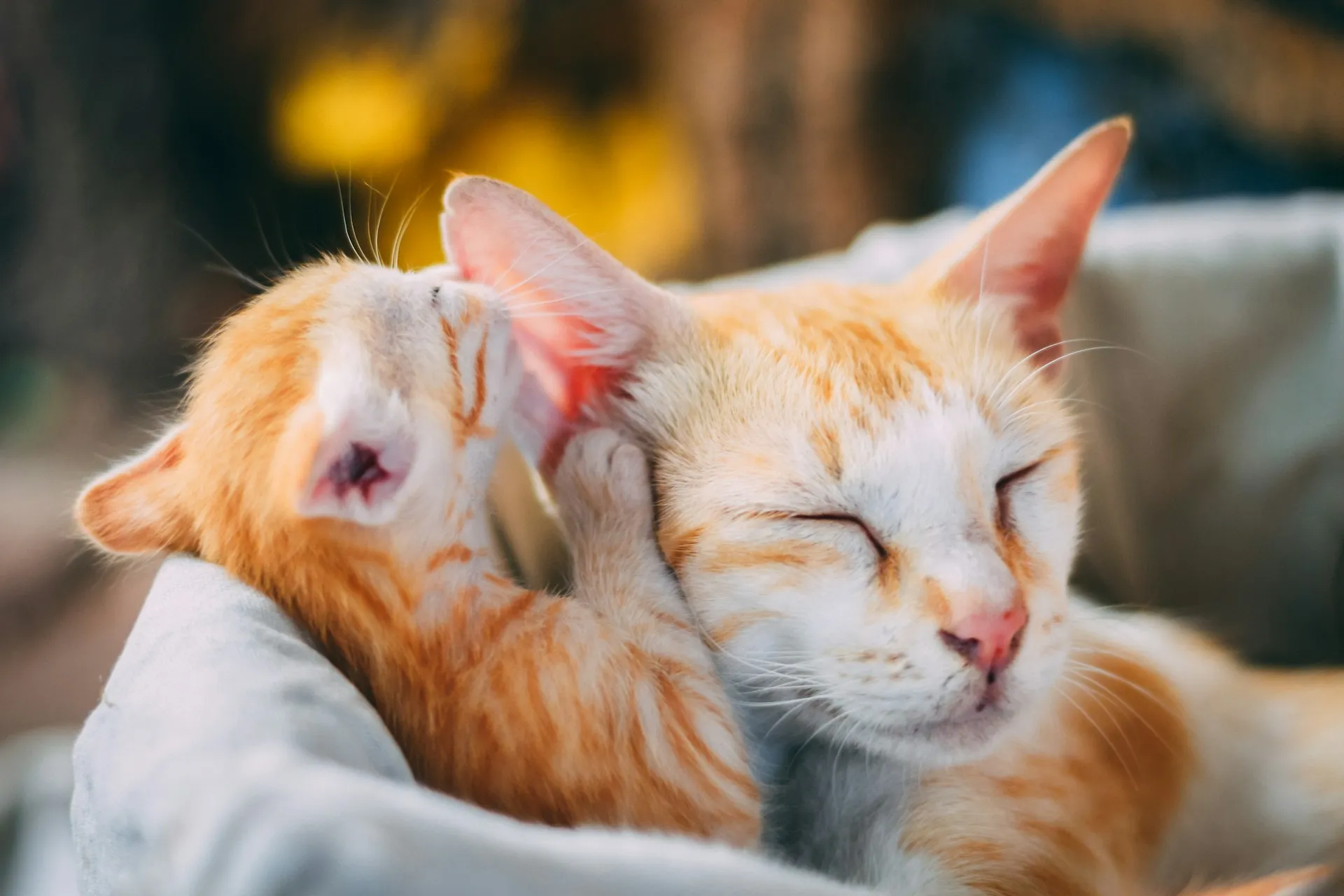
Brushing also provides a great bonding opportunity with your kitty, turning hairball prevention into quality time.
Cat Hairball Remedies
When grooming alone isn’t enough, cat hairball remedies can help. Common options include:
- Special diets formulated with higher fiber or fat blends to help hair pass through the digestive system
- Hairball control treats or gels, which act as mild lubricants to reduce hair buildup
- Encouraging hydration, as drinking more water improves digestion and reduces the risk of constipation
- Adding canned food, since moisture-rich diets keep things moving through the gut
Always check with your veterinarian before adding supplements or switching diets to make sure they’re safe and effective for your feline pal.
Reducing Hairballs Naturally
Some of the best solutions are simple lifestyle adjustments. Natural prevention strategies include:
- Play and exercise, which redirect attention away from overgrooming
- Brushing your cat removes fur before she swallows it.
- Adding moisture to meals, whether through canned food, water fountains, or safe broths
- Managing allergies or skin conditions, since itchy skin often leads to excess licking
- Creating a calm environment, especially if your cat grooms more when anxious
Reducing stress is especially important. Many cats overgroom when they’re anxious, so minimizing changes at home or introducing calming routines can help.
When to See a Veterinarian
While hairballs are common, certain warning signs suggest a bigger issue. Contact your veterinarian if your cat shows:
- Persistent vomiting or retching, especially without producing a hairball
- Loss of appetite or reluctance to eat
- Constipation or diarrhea
- Excessive coughing or gagging
- Lethargy or weight loss
These may indicate digestive blockages or underlying health conditions. Veterinary Health Center, your Saginaw, MI pet hospital. can examine your cat, rule out serious problems, and recommend safe treatments. We covered pet first aid before—click here for that blog.
The Role of Nutrition in Hairball Prevention
Diet plays a big part in hairball prevention. Some nutritional adjustments that help include:
- Fiber-rich diets, which sweep hair through the digestive system more effectively
- Omega-3 fatty acids, which promote healthy skin and reduce shedding
- Hydration strategies, like water fountains that encourage cats to drink more
- Balanced meals, since deficiencies in nutrients can worsen coat condition and shedding
Feeding your feline companion a diet tailored to their life stage and health status supports coat health and reduces hair ingestion.
Fun Fact: Cats Spend Up to 30% of Their Waking Hours Grooming
It’s no wonder hairballs are so common. Grooming is a natural, comforting behavior, but it also makes prevention strategies essential.
FAQs About Hairballs in Cats
How often are hairballs considered normal?
Most cats may vomit a hairball once every week or two. More frequent episodes may signal a problem.
Do kittens get hairballs?
They can, but it’s less common since their coats are finer and they groom less intensely.
Can short-haired cats get hairballs?
Yes, though not as often as long-haired breeds, especially if they shed heavily.
Can hairballs cause blockages?
Yes, in rare cases hairballs can cause obstructions in the intestines, which is a medical emergency.
What’s the safest way to prevent hairballs?
Regular grooming combined with proper diet and hydration is the safest, most effective prevention.
Visit Our Saginaw, MI Veterinary Clinic for Hairball Support
If you’ve been searching for a “vet near me” to help with hairball prevention in cats, Veterinary Health Center, your Saginaw, MI vet clinic is here for you. Our veterinarians provide safe cat hairball remedies, recommend feline grooming for hairballs, and share practical strategies for reducing hairballs naturally. Call today to schedule an appointment and keep your kitty comfortable, healthy, and hairball-free.
Click here to view our Services page and learn more about us and the pets we treat.
This blog is intended for informational purposes only. Always consult your veterinarian for diagnosis, prevention strategies, and medical care tailored to your cat.

Dog Nutrition Basics: Feeding a Balanced Healthy Diet
Keeping Cats Cool in Summer Heat Safely at Home