!Social Media icons
Call Us! Button

Header Logo

Privately Owned & Operated
Request an Appointment Button

When the summer sun blazes, cats may be at greater risk of overheating than we often realize. Unlike dogs, who pant to cool themselves, cats are less efficient at lowering their body temperature. Their fur coats, combined with limited sweating ability, make hot weather especially challenging. At Veterinary Health Center in Saginaw, MI, we share practical advice for keeping cats cool in summer to prevent discomfort, stress, and dangerous heat-related illness.
By following proven cat summer safety tips, recognizing the early signs of distress, and learning strategies for preventing cat heatstroke, you can protect Fluffy from the dangers of hot weather and help them stay comfortable at home.
Why Summer Heat Is Risky for Cats
Although cats are famous for finding sunny spots to nap in, excessive heat can overwhelm them quickly. Some cats are especially vulnerable:
- Kittens, whose smaller bodies struggle to regulate temperature
- Senior cats, with slower metabolism and less resilience to change
- Overweight cats, since extra fat retains body heat
- Flat-faced breeds, such as Persians and Himalayans, which may have airway restrictions
- Cats with chronic conditions, including heart, kidney, or respiratory disease
These groups may overheat more quickly than healthy adult cats, making preventive care essential during Michigan’s humid summers. We discussed summer safety in a prior blog—click here to read it.
Recognizing Heat Stress in Cats
Cats are skilled at hiding discomfort, but certain symptoms suggest overheating. Watch closely for:
- Excessive panting, an uncommon behavior in cats unless they’re overheated
- Bright red gums or tongue, showing increased blood flow
- Drooling or foaming, indicating heat stress
- Lethargy or weakness, with reduced interest in moving
- Staggering, vomiting, or collapse, signs of advanced heatstroke
Immediate veterinary care is critical if you notice these symptoms. Heatstroke can cause organ failure or death without urgent treatment.
Cat Summer Safety Tips for Everyday Care
Simple adjustments at home can make your cat’s environment safer in hot weather. Effective cat summer safety tips include:
- Provide cool resting spots, such as shaded areas, tiled floors, or basements
- Block direct sunlight, closing curtains or blinds during the hottest hours
- Keep air circulating, with ceiling fans, box fans, or safe cooling mats
- Offer elevated beds or hammocks, improving airflow beneath the body
- Avoid overexertion, scheduling play sessions during morning or evening hours
Cats naturally seek cooler areas when given the option, so creating choices in the home helps them regulate their comfort.
Helping Cats Stay Hydrated in Hot Weather
Hydration is one of the most important factors in helping cats in hot weather. Unfortunately, many cats are not enthusiastic water drinkers. To encourage better hydration:
- Provide multiple bowls, preferably in different locations throughout the house
- Clean and refill water daily, since cats prefer fresh, cool water
- Add ice cubes, making the water more appealing and refreshing
- Try pet fountains, which encourage drinking with moving water
- Incorporate wet food, increasing moisture in their diet
Cats with kidney or urinary issues especially benefit from extra hydration during warm months.
Grooming as a Cooling Tool
Regular grooming supports temperature control. Brushing removes loose fur, prevents mats, and improves airflow through the coat. Short-haired cats benefit from weekly brushing, while long-haired breeds may need daily attention in summer. Avoid shaving unless medically necessary — a cat’s coat provides natural insulation against both heat and sunburn. Always ask your veterinarian before trimming or shaving, especially for long-haired breeds.
Want to learn more about keeping Fluffy purring? Read this article from Humane World about keeping indoor cats happy. You can find more cat care tips at the ASPCA website here.
Preventing Cat Heatstroke at Home
Heatstroke is a life-threatening emergency, but preventive steps reduce the risk:
- Never leave cats in cars, even for a few minutes — temperatures rise dangerously fast
- Monitor indoor temperatures, particularly if air conditioning is unavailable
- Use safe cooling pads or damp towels, for cats to lie on voluntarily
- Avoid confined spaces, like garages, attics, or sunrooms during the day
- Check daily for signs of dehydration, such as sticky gums or reduced skin elasticity
Preventing cat heatstroke is always easier and safer than treating it! Ask your vet for more tips.
Enrichment Without Overheating
Cats still need stimulation in summer, but high-energy play should be adjusted. Safe alternatives include:
- Interactive feeders or puzzle toys, offering mental exercise without overheating
- Gentle evening play sessions, with wand toys or lasers after the house cools
- Hiding treats around the home, encouraging hunting behavior in cooler hours
- Climbing structures or scratching posts, in shaded or air-conditioned areas
- Quiet observation perches, near screened windows with breezes
These activities keep your feline companion entertained without putting them at risk.
Fun Fact: Cats Sweat Only Through Their Paws
Cats don’t have sweat glands across their bodies like humans. They only sweat through their paw pads, which is why you might see damp paw prints on hot days — a sign that Fluffy is working hard to cool down.
When to Call the Veterinarian
Sometimes, despite your best efforts, cats may still struggle with the heat. Seek veterinary help if you notice:
- Persistent panting, even at rest
- Unwillingness to eat or drink, which can lead to dehydration
- Disorientation or staggering, clear signs of heatstroke
- Vomiting or collapse, emergencies that require immediate care
Veterinary Health Center can provide rapid treatment and offer long-term strategies for cats prone to heat stress.
FAQs About Cat Summer Safety
Do cats need air conditioning in summer?
Not always, but during heatwaves or high humidity, air conditioning may be lifesaving.
Can shaving a cat help them stay cool?
Usually no. A cat’s coat helps regulate temperature. Regular brushing is safer and more effective.
How can I tell if my cat is dehydrated?
Check for sticky gums, sunken eyes, or skin that doesn’t quickly spring back when gently lifted.
Should I let my cat outside to cool off?
It’s not recommended. Outdoor dangers outweigh benefits. Indoor cooling strategies are safer.
Are fans helpful for cats?
Yes, as long as the air circulates safely. Many cats enjoy lying near a gentle breeze.
Visit Our Saginaw, MI Veterinary Clinic for Cat Summer Care
If you’ve been searching for a “vet near me” to help your feline companion stay cool, Veterinary Health Center in Saginaw, MI is here for you. Our veterinarians provide advice on keeping cats cool in summer, recommend cat summer safety tips, and share strategies for preventing cat heatstroke and helping cats in hot weather. Call today to schedule a visit and prepare your kitty for a safe and comfortable season.
Click here to view our Services page and learn more about us and the pets we treat.
This blog is intended for educational purposes only. Always consult your veterinarian for personalized summer safety advice, hydration strategies, and health care tailored to your pet.

Dog Nutrition Basics: Feeding a Balanced Healthy Diet
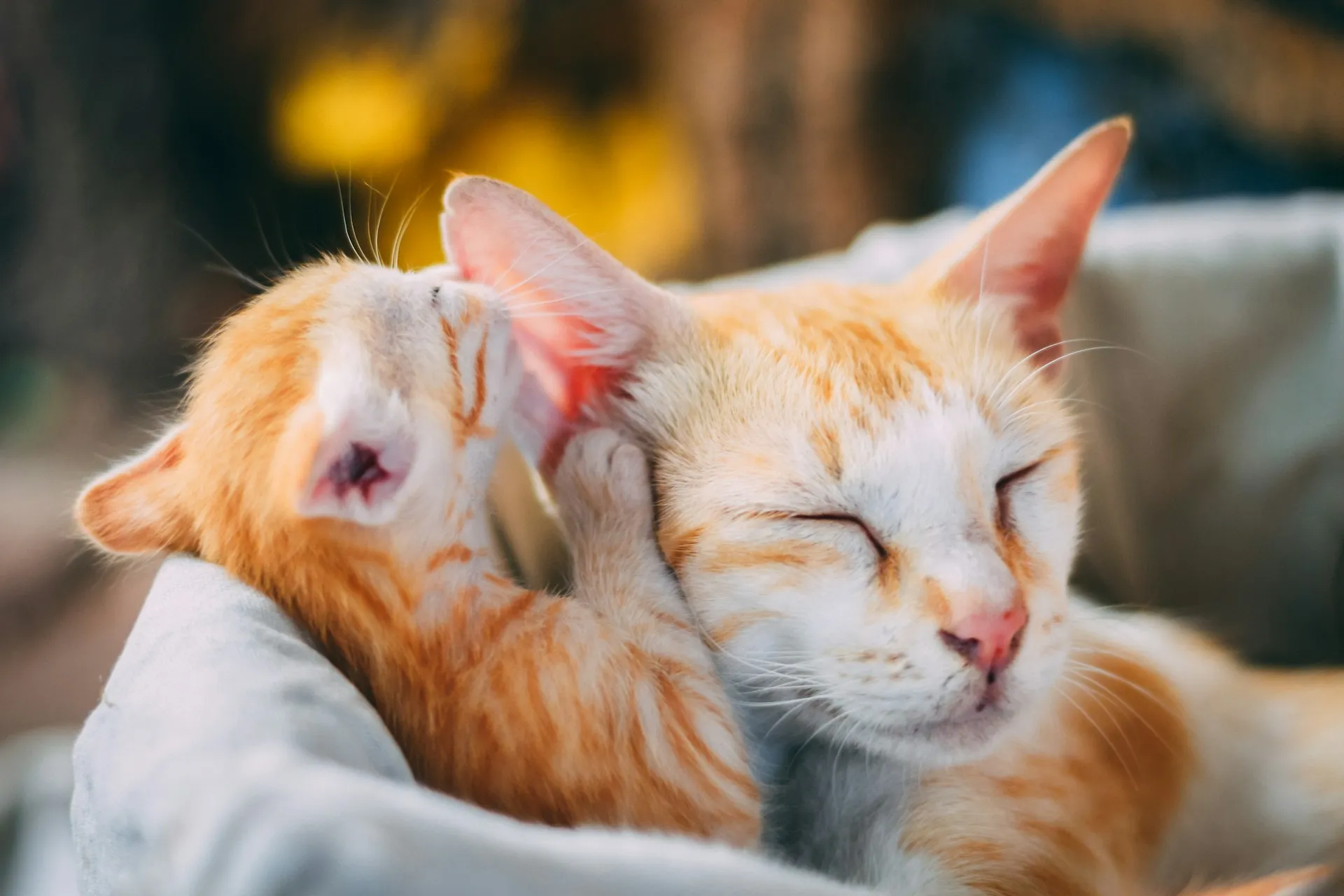
Keeping Cats Cool in Summer Heat Safely at Home