!Social Media icons
Call Us! Button

Header Logo
Privately Owned & Operated
Request an Appointment Button

As Fluffy enters her golden years, her dietary needs will begin to shift. Just like humans, cats experience age-related changes that affect metabolism, digestion, and overall health. At Veterinary Health Center in Saginaw, MI, we provide guidance on senior cat nutrition to help older cats stay strong, active, and comfortable well into their later years.
By focusing on aging cat diet plans, tailoring nutrition for older cats, and offering feeding strategies for geriatric cats, you can support your feline companion’s health and vitality.
Why Senior Cat Nutrition Matters
Cats are generally considered seniors around the age of 7–10, depending on breed and lifestyle. At this stage, nutrition plays a bigger role in:
- Maintaining muscle mass, which often declines with age
- Supporting kidney health, a common area of concern for older cats
- Boosting immunity, keeping infections at bay
- Promoting joint health, with nutrients that ease stiffness
- Managing weight, preventing both obesity and muscle loss
Feeding your feline companion properly can improve quality of life and extend longevity. (We’ve shared a blog on senior cat care before—click here to view it.)
Aging Cat Diet Plans
As cats age, their metabolism changes, requiring adjustments to their meals. Effective aging cat diet plans may include:
- Moderate calorie intake, preventing weight gain while avoiding undernutrition
- Higher-quality protein, to preserve muscle while reducing kidney strain
- Moisture-rich foods, supporting hydration and kidney health
- Digestible ingredients, for easier absorption of nutrients
- Smaller, more frequent meals, reducing stress on the digestive system
Working with your veterinarian ensures the plan is customized to your cat’s unique needs.
Nutrition for Older Cats
Nutrition for older cats goes beyond calories. Important nutrients include:
- Omega-3 fatty acids, supporting joints, heart, and brain function
- Antioxidants, protecting against age-related cellular damage
- Fiber, promoting digestive health and preventing constipation
- Taurine, an essential amino acid for heart and eye health
- Hydration support, since many seniors don’t drink enough water
Our veterinarians may recommend specific diets designed to meet these needs safely.
Feeding Geriatric Cats
Feeding geriatric cats requires patience and adjustments. Strategies include:
- Offering warmed food, enhancing aroma and appeal for picky eaters
- Elevated bowls, making mealtime easier for cats with arthritis
- Moist or canned diets, increasing water intake
- Encouraging appetite, with palatable formulas or flavor toppers approved by your vet
- Monitoring closely, adjusting portions as weight or health changes
Careful feeding ensures senior cats receive both the nutrition and comfort they need.
Common Senior Cat Feeding Challenges
Older cats often face obstacles that affect nutrition. These may include:
- Dental problems, making chewing painful
- Diminished sense of smell, reducing appetite
- Kidney disease, requiring specialized diets
- Thyroid disorders, which affect metabolism and weight
- Diabetes or arthritis, needing tailored care plans
Veterinarians can address these issues with appropriate diets, medications, and feeding techniques.
Fun Fact: Cats Live Longer Indoors With Proper Care
Indoor cats often live 15 years or more, and some reach their 20s. Nutrition plays a significant role in this longevity, along with regular veterinary care.
Check out this blog from Cornell University on caring for an older cat. Wag also has a helpful article on keeping older cats comfortable here.
FAQs About Senior Cat Nutrition
When should I switch my cat to a senior diet?
Most cats benefit from dietary changes around age 7–10, depending on health and breed.
Do senior cats need more protein?
Yes, high-quality protein helps maintain muscle but should be balanced to support kidney health.
How do I encourage my older cat to eat more?
Warming food, offering smaller meals, and providing quiet feeding spaces can help.
Are supplements necessary for senior cats?
Sometimes. Omega-3s, antioxidants, or joint supplements may be beneficial under veterinary guidance.
What if my cat refuses senior food?
Mixing it gradually with current food or trying different textures may ease the transition.
Visit Our Saginaw, MI Veterinary Clinic for Senior Cat Nutrition Advice
If you’ve been searching for a “vet near me” to help support Fluffy’s health, Veterinary Health Center in Saginaw, MI is here for you. Our veterinarians provide guidance on senior cat nutrition, create aging cat diet plans, and share strategies for feeding geriatric cats. Call today to schedule a visit and keep your feline companion strong and healthy in their golden years.
Click here to view our Services page and learn more about us and the pets we treat.
This blog is intended for educational purposes only. Always consult your veterinarian for nutrition advice, feeding plans, and medical guidance tailored to your pet.
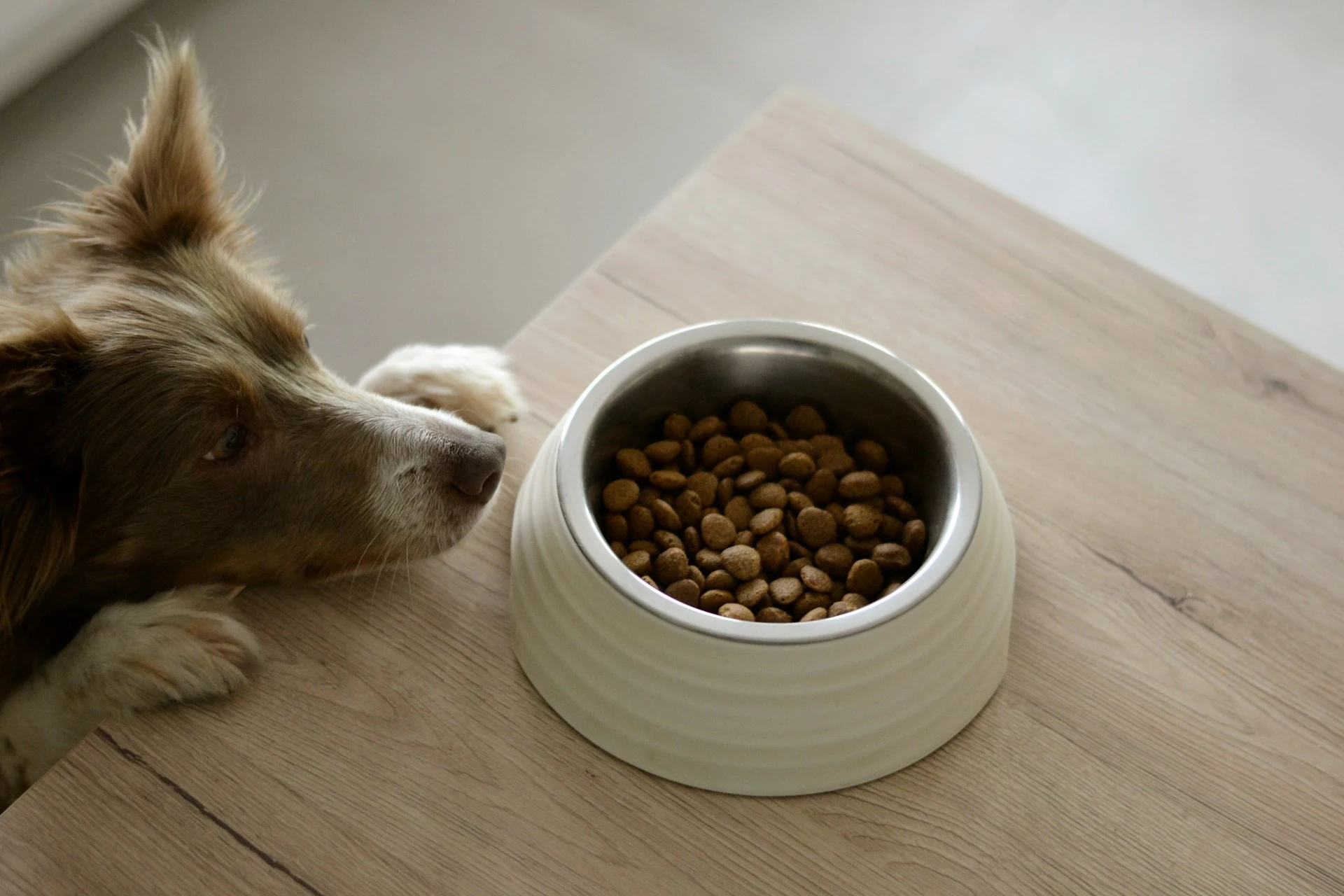
Dog Nutrition Basics: Feeding a Balanced Healthy Diet
Keeping Cats Cool in Summer Heat Safely at Home